| Quick Facts Details | Details |
|---|---|
| Total Area | Total Area ~881 sq. km |
| Forest Types | Northern Tropical Dry Deciduous & Northern Tropical Thorn Forests |
| Dominant Species | Dhok Tree (Anogeissus pendula) – covers nearly 90% of the area |
| Estimated Flora Species | Around 300 (trees, shrubs, grasses, herbs) |
| Climatic Zone | Semi-arid, hot summers, brief monsoon |
Nearly 90% of Sariska’s forest cover consists of the hardy Dhok tree, the unsung hero that keeps this dry land alive.
Sariska’s landscape unfolds like a natural mosaic, each forest zone playing a unique ecological role. Here’s what travelers can explore:
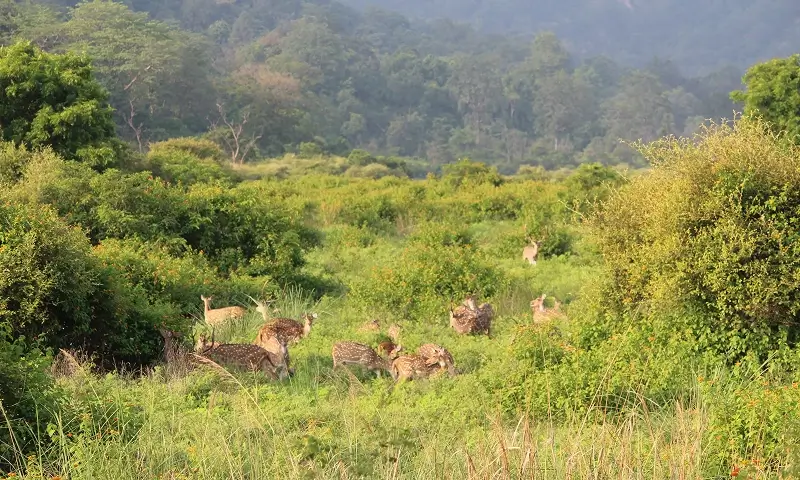
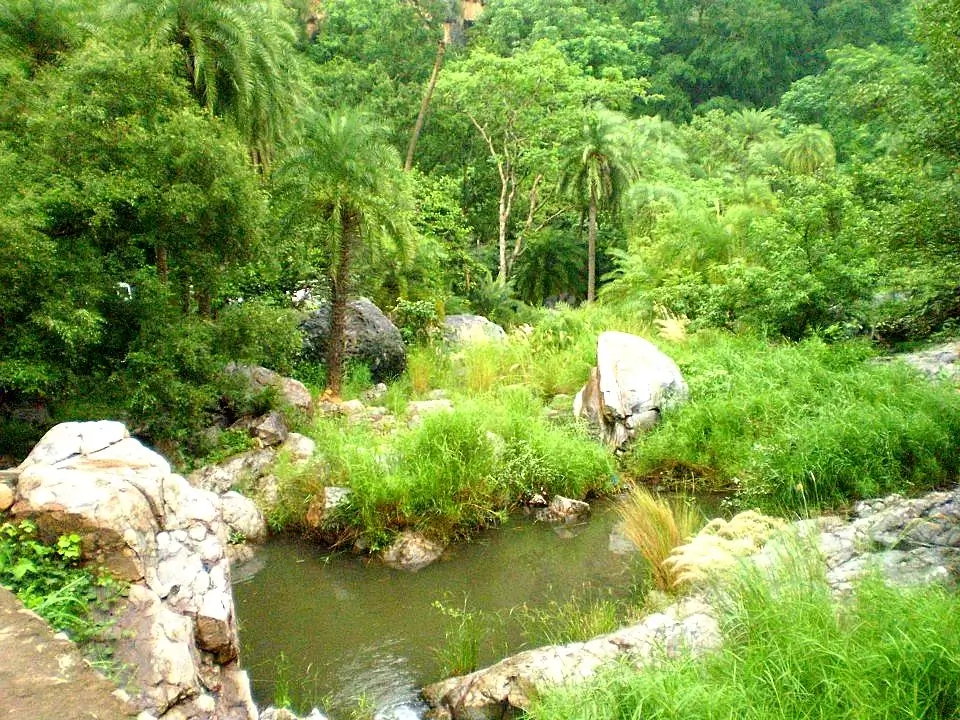
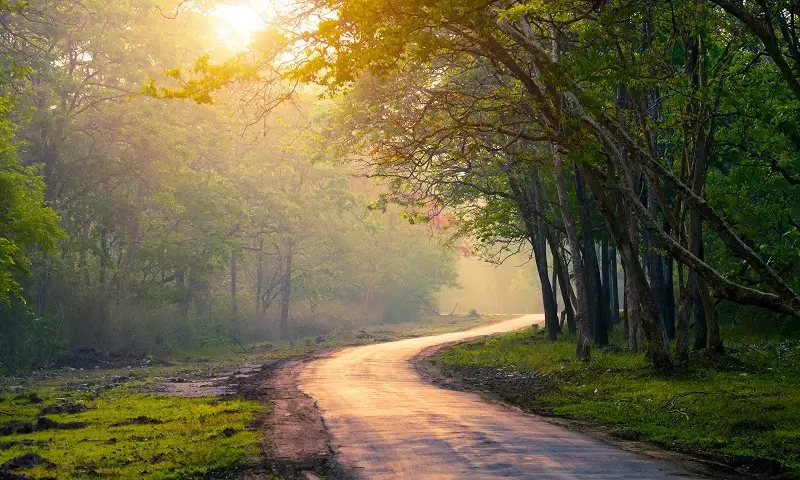
This is the park’s dominant forest type. During summer, Dhok trees shed their leaves to conserve water, giving the forest a rustic brown look. Come monsoon, the same valleys turn lush and green, a breathtaking transformation. These forests offer shade, food, and shelter for sambar deer, langurs, and peafowls, making it the heart of Sariska’s ecosystem.
As the terrain becomes rocky and dry, thorn forests take over. Species like Khair, Ber, Salar, and Acacia thrive here, plants designed by nature to survive Rajasthan’s heat. Their thorns and tiny leaves reduce water loss, while their roots stabilize the soil. It’s the perfect example of nature’s resilience in harsh climates.
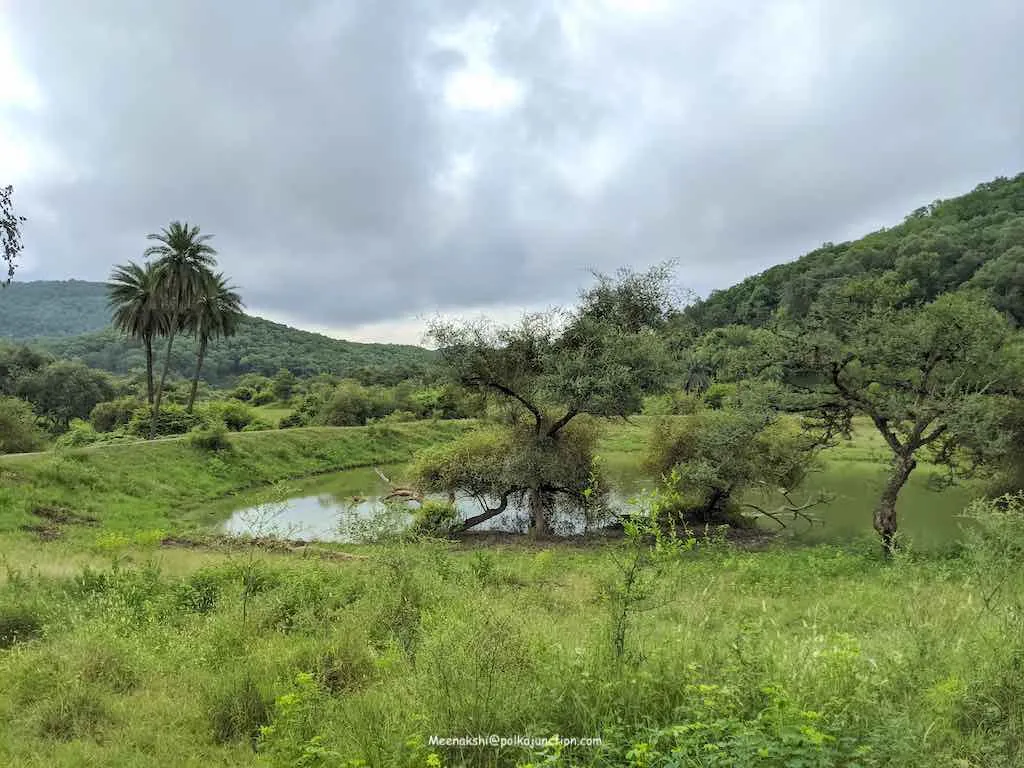
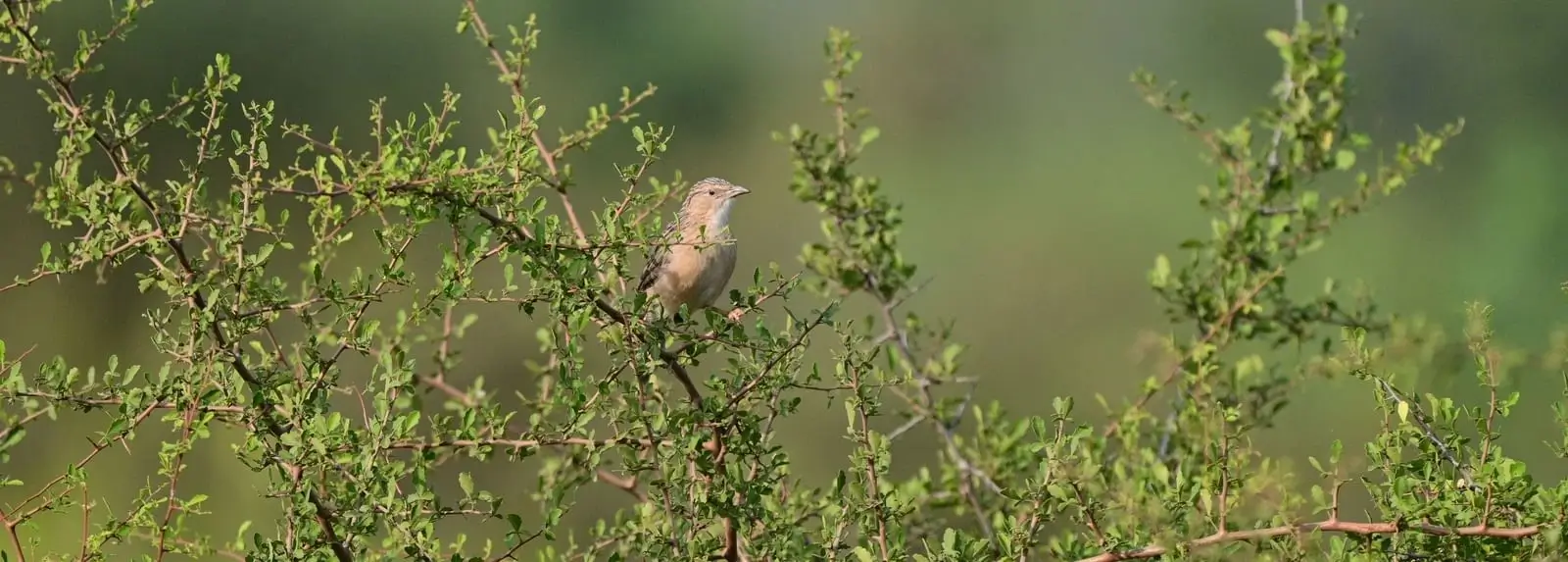
Sariska’s open meadows and shrublands paint a softer picture. These zones, often near water bodies, come alive during the monsoon with lush grasses and wild blooms. They act as feeding grounds for herbivores and attract numerous bird species such as partridges and peafowls.
Travel Tip: Visit just after the monsoon to witness Sariska’s grasslands at their greenest and wildlife at their most active.
Sariska’s flora tells a story of survival and adaptation. The trees here have evolved to withstand long dry spells, extreme heat, and rocky soils, yet remain strikingly beautiful.
| Tree Species | Highlights / Ecological Role |
|---|---|
| Dhok (Anogeissus pendula) | Covers 90% of Sariska’s area; crucial for herbivores and forest health. |
| Salar (Boswellia serrata) | Grows on rocky slopes; produces resin used in traditional medicine. |
| Kadaya (Sterculia urens) | Noted for pale bark and gum; adds charm to dry hills. |
| Dhak (Butea monosperma) | Known as the Flame of the Forest, it bursts into orange-red blooms in spring. |
| Khair (Acacia catechu) | Khair (Acacia catechu) Valued for its medicinal bark and tannin; thrives on arid slopes. |
| Ber (Ziziphus mauritiana) | Produces sweet fruits loved by monkeys and birds. |
| Bargad (Ficus benghalensis) | The iconic banyan tree offering shade and nesting spaces. |
| Arjun (Terminalia arjuna) | Common along riverbanks; prevents soil erosion. |
| Gugal (Commiphora wightii) | Famous for its aromatic resin used in Ayurveda. |
| Bamboo | Found near moist valleys; provides cover and nesting for birds. |
While the trees form Sariska’s backbone, its undergrowth sustains countless smaller creatures, from deer to butterflies.
- Adusa (Adhatoda vasica): Evergreen leaves with healing properties.
- Kair (Capparis decidua): A desert shrub producing tangy fruits, often used in Rajasthani cuisine.
- Ber bushes (Ziziphus nummularia): Provide food and nesting spots for birds.
- Gugal (Commiphora wightii): Also found in shrub form, known for its fragrant resin.
These shrubs prevent soil erosion and protect the delicate ecological balance of the park.
Post-monsoon, the plains turn into a green carpet of Cenchrus, Dichanthium, and Aristida grasses. Spring brings wild lilies, morning glories, and the fiery Dhak blossoms, adding a burst of color to the rugged terrain, a paradise for photographers and nature lovers alike.
Despite its dry climate, Sariska’s lakes and ponds nurture an entirely different ecosystem. Siliserh Lake, fringed with fragrant Khus grass, hosts graceful lotuses and water lilies, creating a serene contrast to the rocky Aravalli backdrop.
These aquatic plants attract insects, fish, and migratory birds during winter, turning the area into a living painting of biodiversity.
Travel Insight: Plan your visit between November and February for the perfect balance of greenery, wildlife activity, and pleasant weather.