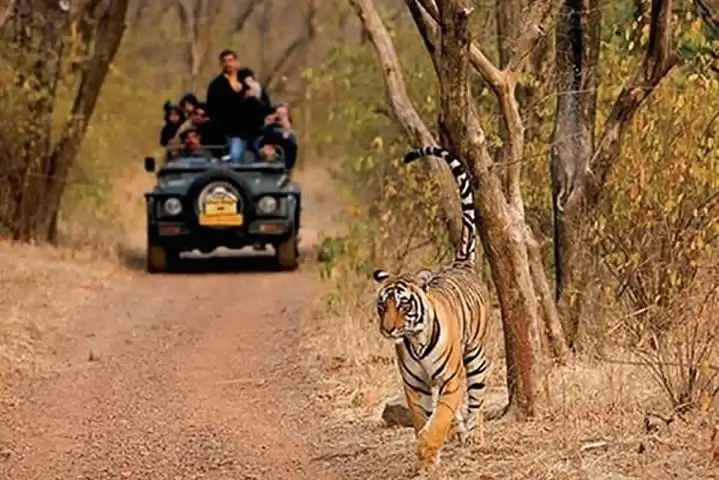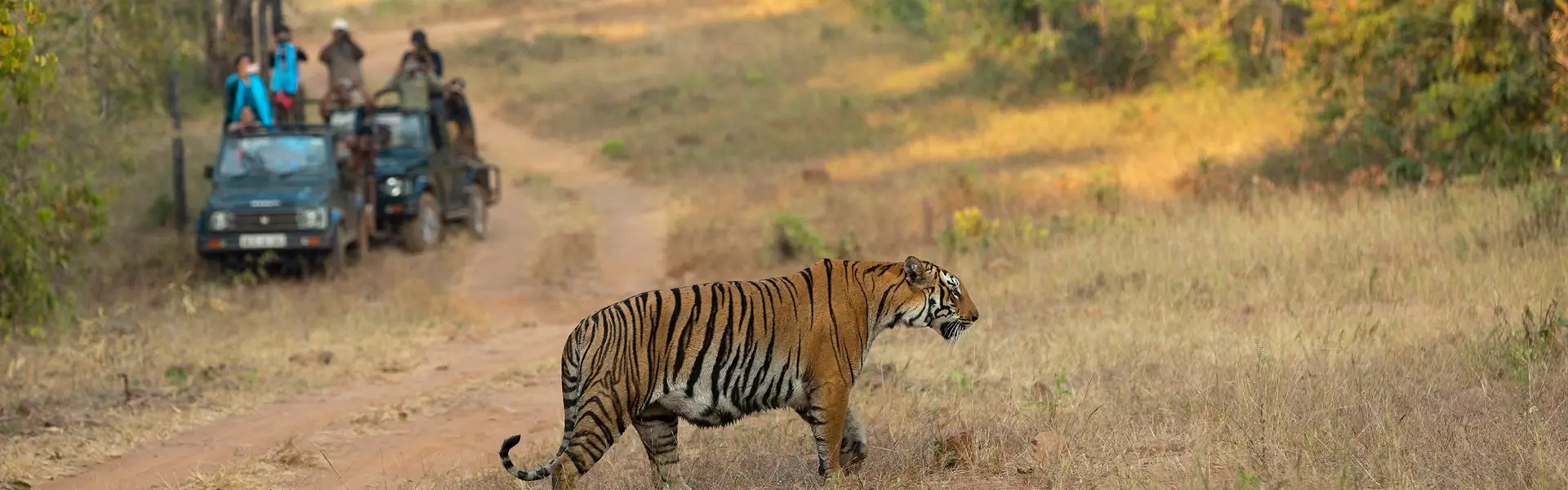
Sariska offers two main ways to explore the jungle: the nimble 6-seater jeep and the larger 20-seater canter. Here’s all you need to know about the safari vehicles.
| Feature | Jeep Safari | Canter Safari (Open-Top Bus) |
|---|---|---|
| Capacity | Max 6 people (Ideal for smaller groups) | Approx. 20 people (Perfect for group travelers and families) |
| Best For | Photographers, small families, or couples seeking flexibility. Offers an up-close and flexible way to explore the reserve. | Large groups, families on a budget, or solo travelers. |
| Experience | More intimate and flexible. Can access narrower tracks. | Shared experience. Sits higher, offering a different viewpoint. |
| Our Take | Our top pick: The smaller size makes it quieter and better for maneuvering when you hear a distant alarm call. | A great, cost-effective option, but it can be noisier and is restricted to wider paths. |
Timing is everything in the jungle. Jungle Safaris are conducted twice a day, but the exact times shift slightly with the seasons:
- Morning Safari: Usually between 6:00 AM and 10:00 AM (timings vary seasonally)
- Evening Safari: Typically, between 2:30 PM and 6:30 PM
The reserve is divided into multiple zones. Your jungle safari is assigned to one, and knowing the difference is key. For the best chance of tiger sightings in Sariska, Zone 1 and Zone 2 are the most popular and historically have the highest density of sightings. However, this doesn't mean other zones are a waste. Other zones like Kalighati, Sultanpur, and Kundli offer scenic landscapes and diverse fauna.
Pro-Tip: Don't get too fixated on Zone 1. It can get crowded. You can enjoy incredible leopard and caracal sightings in the other quieter, more scenic zones. Trust your guide; they know the animals' current movements better than anyone.
Sariska National Park is accessed through multiple entry points, each offering access to different safari zones and experiences. The park has two main safari gates, Sariska Gate and Tehla Gate, along with two buffer-zone entry points, Baraliwari and Bala Quila.
Most popular | Best sightings | Access to Core Zones 1, 2 & 3
- This is the primary entry point of Sariska and the one closest to most hotels and resorts in Sariska town.
- It offers direct access to core zones 1, 2, and 3, which are known for maximum wildlife sightings, including tigers, leopards, hyenas, and deer species.
- Safari demand is highest at this gate, as the probability of spotting wildlife, especially tigers, is comparatively higher than at other gates.
- Due to its popularity, safari bookings via this gate often fill up fastest.
Best for: First-time visitors, wildlife photographers, families, and travelers prioritizing sightings.
Access to Zones 3 and 4 and the Bhaghani Area | Less crowded
- Located around 80 km from Sariska Gate, the Tehla Gate offers access to zones 3 and 4.
- Additionally, it provides entry to the Bhaghani Area, a region not accessible from Sariska Gate.
- Although wildlife density is slightly lower compared to the Sariska Gate side, Tehla offers a quieter, less touristy safari experience, ideal for travelers who enjoy peaceful wilderness exploration.
Best for: Offbeat travelers, repeat visitors, or those staying on the Tehla side of the reserve.
Buffer zone entry | Nature-focused safaris
- This gate allows entry into the buffer zone of Sariska Tiger Reserve.
- Ideal for travelers seeking a relaxed safari, birdwatching, and scenic forest landscapes.
- Wildlife sightings are possible but less frequent compared to the core zones.
Best for: Nature lovers, birdwatchers, soft-safari experiences.
Historic and Wildlife Buffer Zone Access
- This gate provides entry to the buffer safari zone and the iconic Bala Quila (Alwar Fort).
- Safaris here are more about landscapes, fort views, and occasional wildlife sightings.
- Great for travelers combining heritage exploration with a nature experience.
Best for: History buffs, photographers, and light safari explorers.
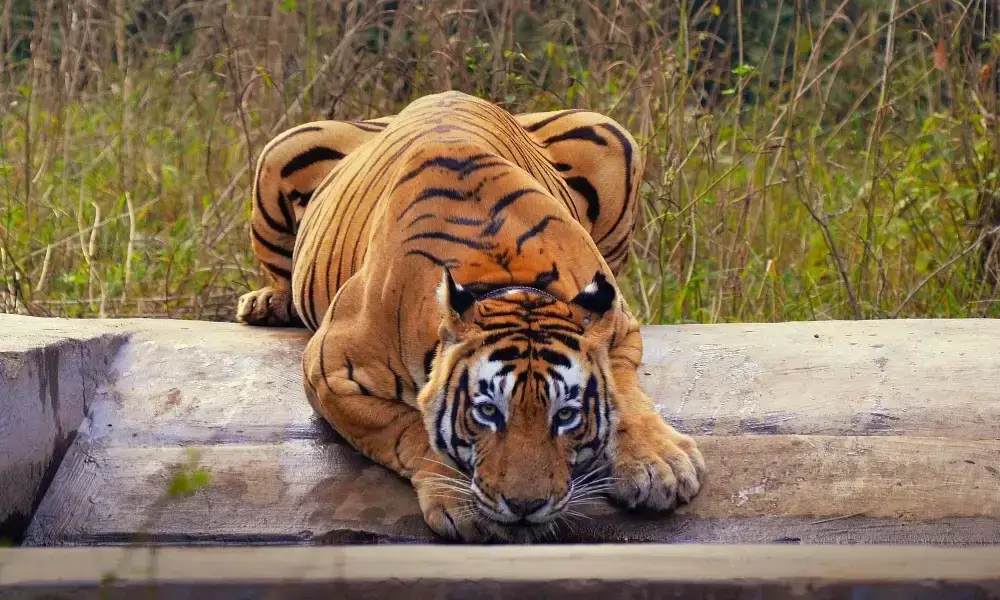
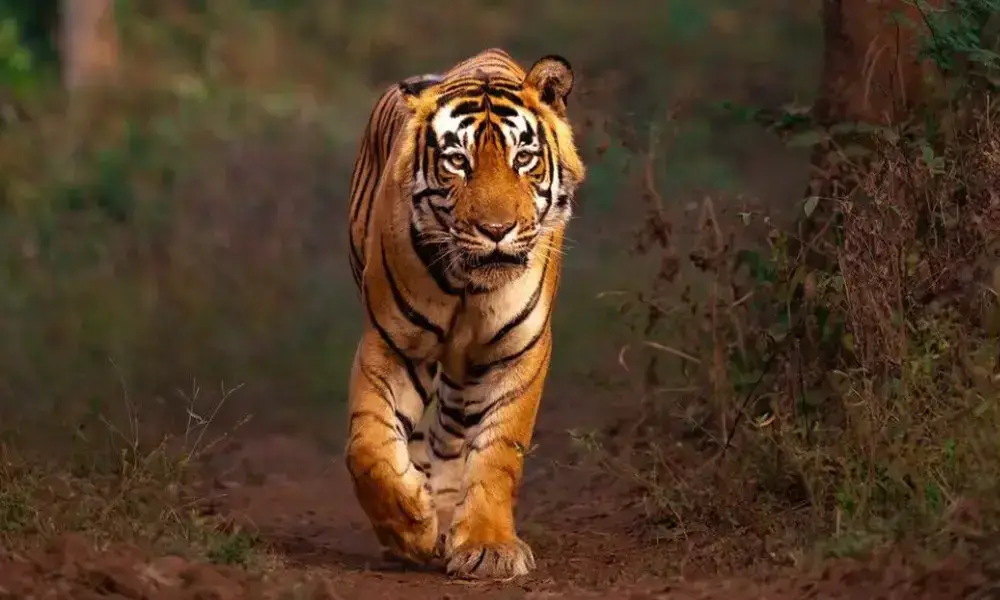
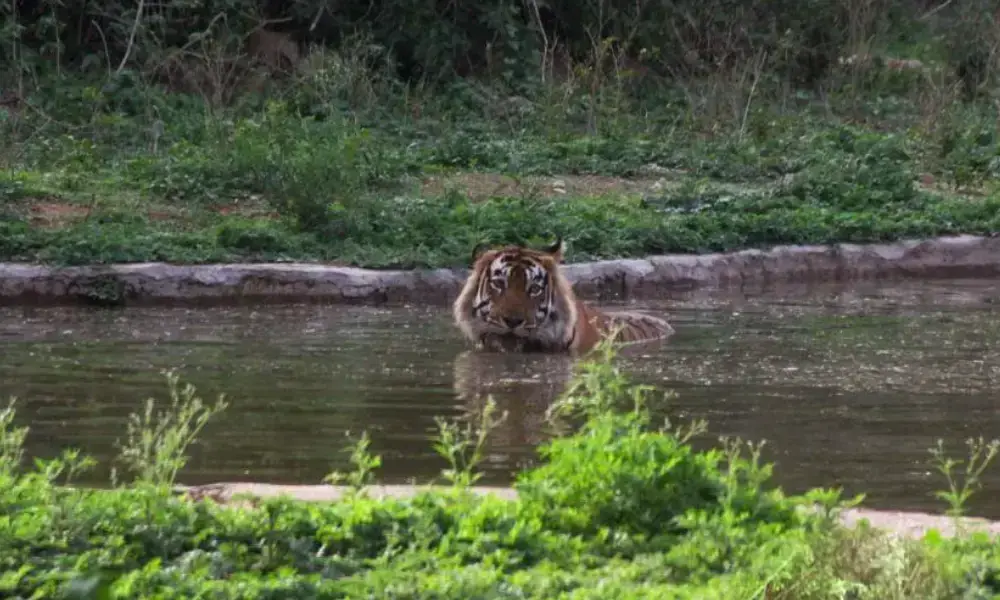
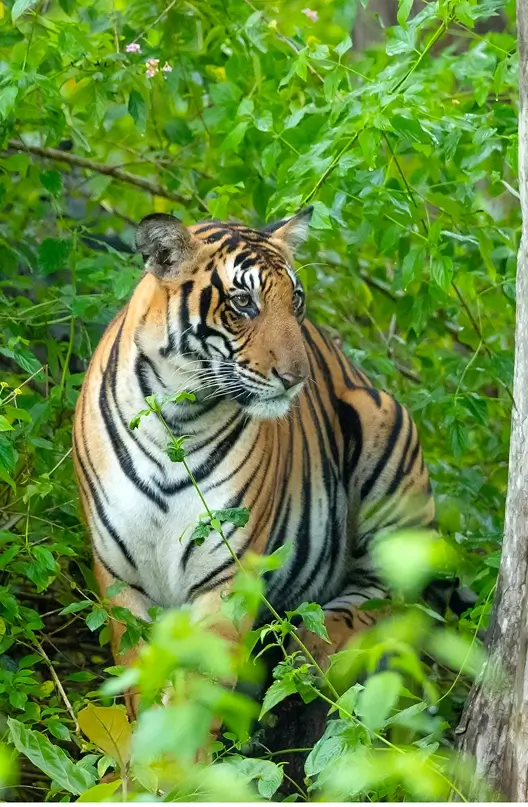
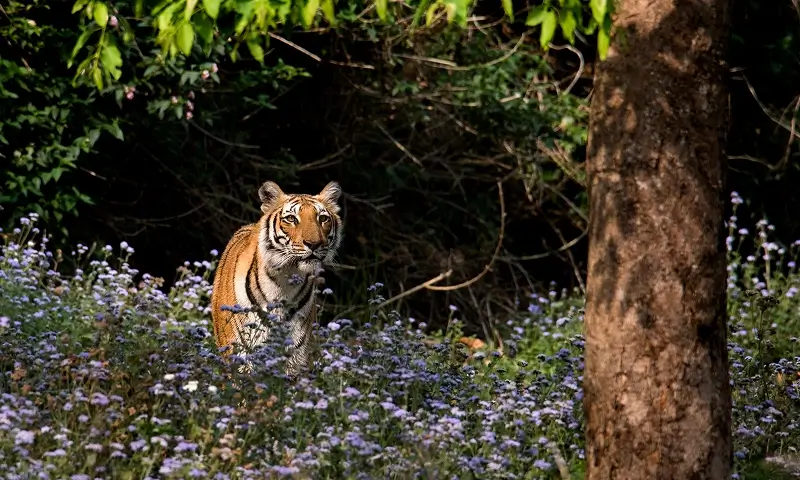
- The Tiger's Comeback Story: The star of the show is, without a doubt, the majestic Bengal tiger. Seeing one of these magnificent predators stalking through the dry forest is a moment you'll never forget.
- Beyond the Tigers: But Sariska is no one-trick pony. The park’s diverse ecosystem supports a huge variety of life.
On your safari, keep your camera ready for:
- Leopards
- Striped Hyenas
- Jungle Cats
- Golden Jackals
- Sambar Deer (India's largest deer)
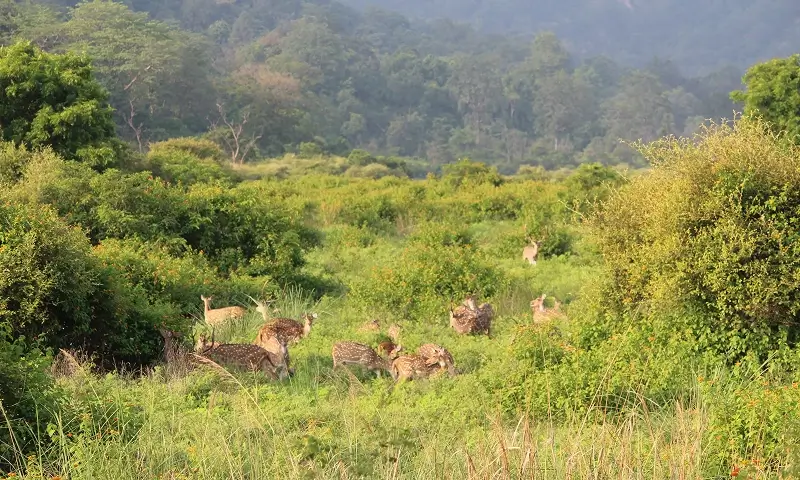
- Chital (Spotted Deer)
- Nilgai (Blue Bull)
- Wild Boar
- Langurs (the jungle's lookout)
- Reptiles like pythons and monitor lizards
Sariska is a dream destination for birders, with over 200 bird species calling it home. The lush surroundings of Siliserh Lake and Mansarovar Lake are hotspots for water birds, especially during winter.
Key sightings include:
- Peafowl
- Partridges
- Quails
- Sand Grouse
- Eagles
- Migratory birds like the Crested Serpent Eagle and Grey Partridge