Best Time to Visit Sariska Tiger Reserve

Best Time to Visit Sariska Tiger Reserve

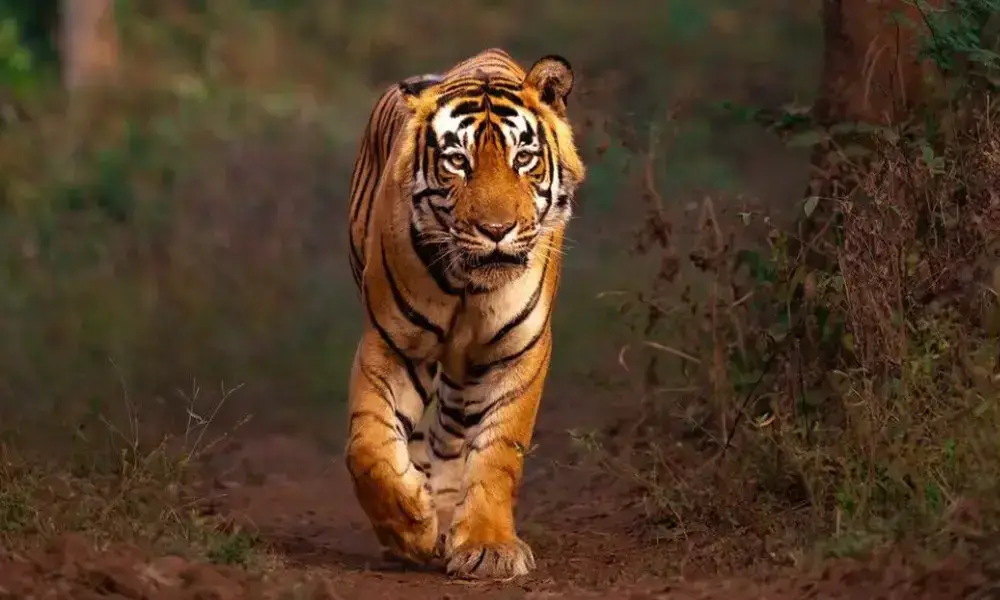
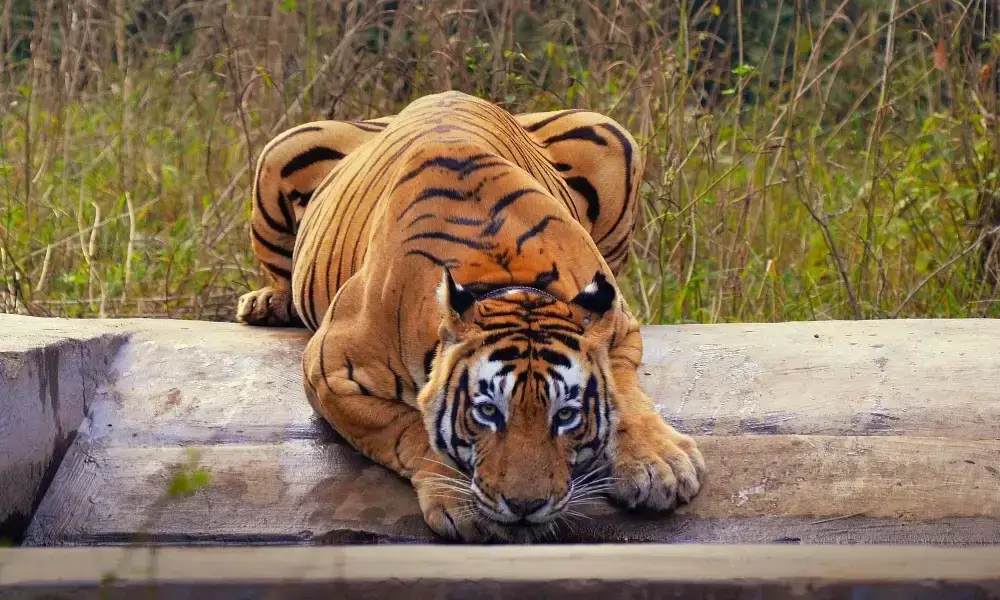
Tucked away in the rugged folds of the Aravalli Hills, Sariska Tiger Reserve in Rajasthan’s Alwar district is one of India’s most fascinating wildlife getaways. Known for its Bengal tigers, leopards, and diverse birdlife, this sanctuary offers a thrilling window into nature’s raw drama.

While the park is open most of the year, each season transforms Sariska in its own way, shaping your safari experience, wildlife sightings, and even the feel of the forest. So, before you plan your trip, let’s explore the best time to visit Sariska Tiger Reserve for the most rewarding experience.

Quick Season Guide
Season Months Temperature Range Best For Safari Status
Winter Oct–Feb 8°C – 25°C Comfortable safaris, photography, sightseeing Fully open
Summer Mar– Jun 30°C – 45°C Maximum tiger sightings, fewer crowds Fully open (early/late hours best)
Monsoon Jul–Sep 25°C – 35°C Scenic beauty, offbeat travel Partially closed for breeding
Sariska in Winter (October to February): Pleasant weather, perfect safaris, golden light.

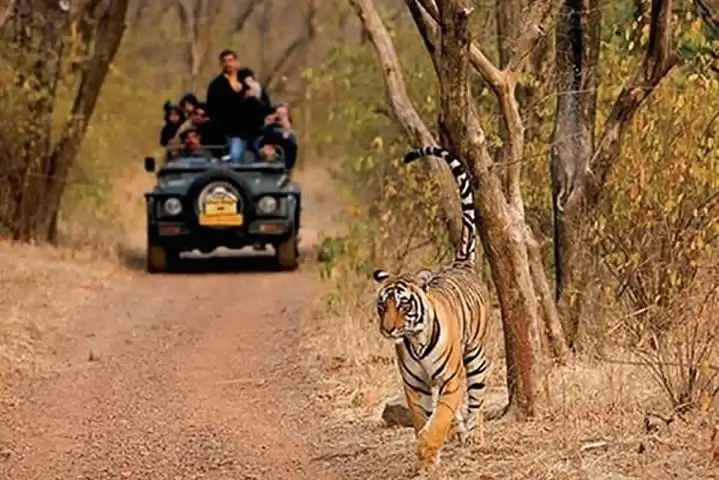
Winter is hands down the most popular time to visit Sariska Tiger Reserve. The air is crisp, skies are clear, and temperatures stay between 8°C and 25°C, making safari rides comfortable and visually stunning.

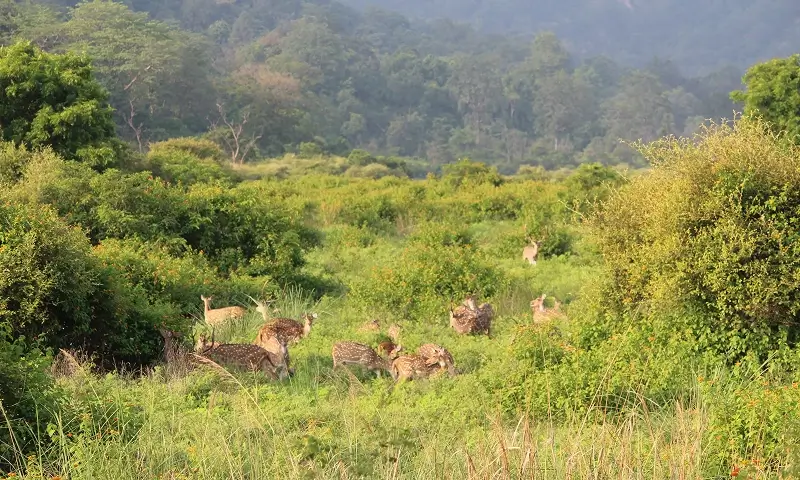
Morning safaris often unveil misty valleys where sambar deer emerge from fog and the occasional tiger pads silently across the golden grass. Birdwatchers can spot migratory species near Siliserh Lake and Mansingh Lake, while photographers are rewarded with flawless light and long visibility.

Top Experiences:

  • Morning and evening jeep safaris for the best wildlife action
  • Birdwatching around Siliserh Lake
  • Visiting nearby attractions like Sariska Palace, Kankwari Fort, and Pandupol Temple
  • Enjoying cozy stays in jungle lodges and heritage hotels

Tip : Book your safari well in advance; winter slots fill quickly due to peak demand.

Sariska in Summer (March to June): Hot days, thrilling wildlife sightings, raw wilderness.

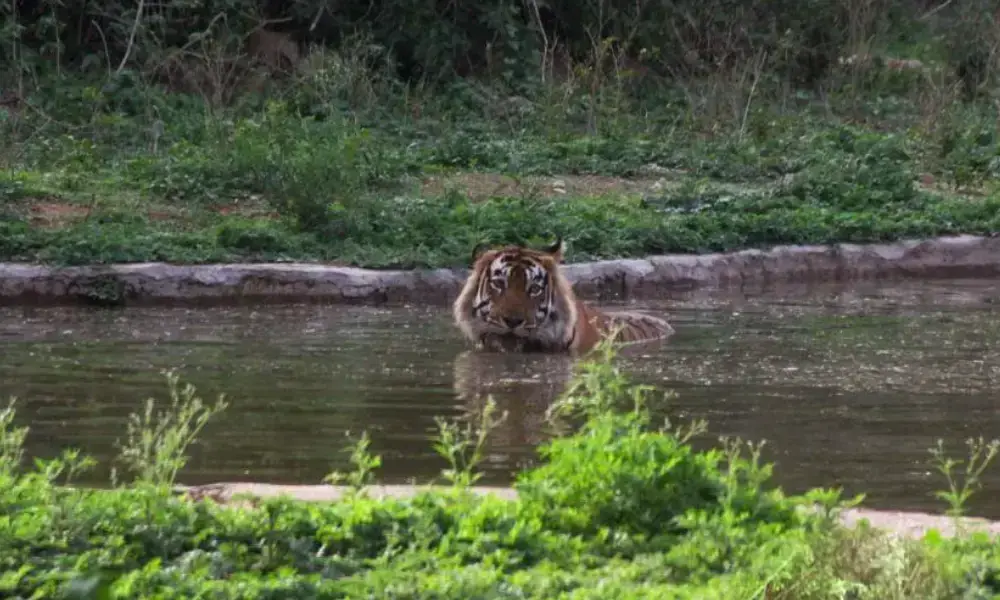
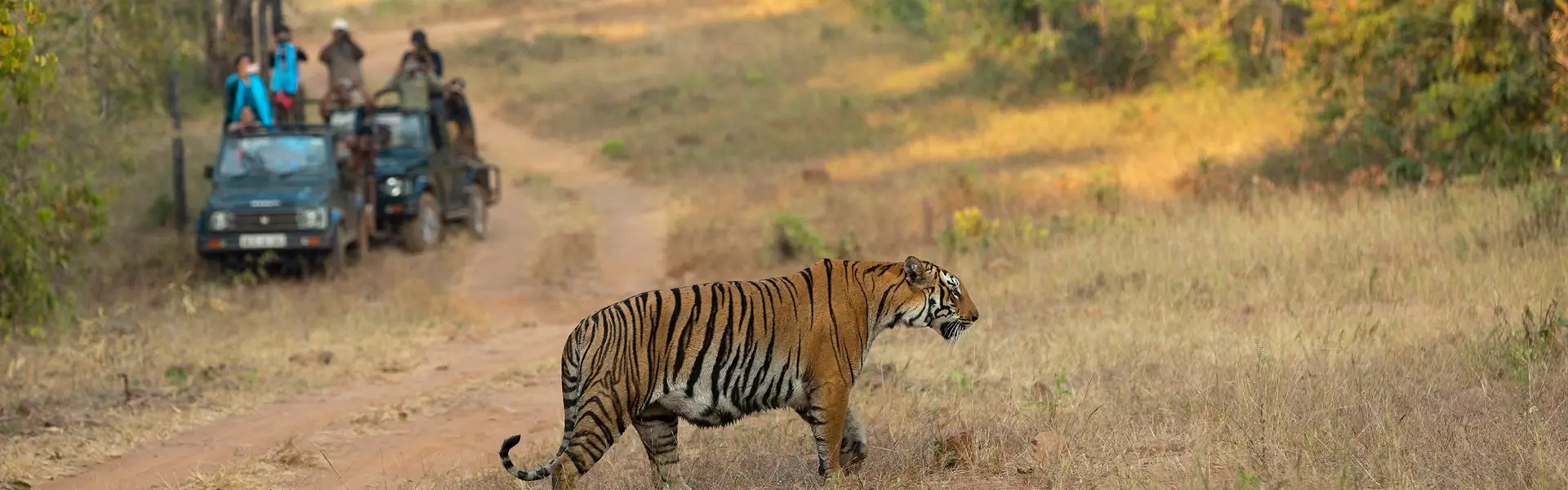
Summer may sound harsh, with temperatures soaring up to 45°C, but it’s actually the best season for spotting tigers and leopards. With water sources drying up, animals gather around the few remaining lakes and watering holes, making sightings far more frequent.

The dry landscape, stripped of dense foliage, also offers unobstructed views of the forest floor. Early morning or late evening safaris are ideal to beat the heat and catch the park’s wildlife at its most active.

Top Experiences:

  • High chances of tiger, sambar, nilgai, and langur sightings
  • Wildlife photography in stark, sunlit backdrops
  • Short nature walks and eco-resorts offering relaxation

Tip : Carry sunscreen, a hat, and plenty of water. The early starts might be tough, but they’re worth every second once you hear that elusive roar.

Sariska in Monsoon (July to September): Rain-kissed hills, quiet escapes, and a green wonderland

When the monsoon arrives, Sariska undergoes a magical transformation. The dusty plains turn emerald, peacocks dance in the rain, and the forest smells of wet earth and renewal.

Although parts of the park remain closed to protect the ecosystem and allow animal breeding, nearby attractions like Siliserh Lake, Bala Quila, the Dadikar forest area, Sariska Palace, and Pandupol Temple stay open. This season is ideal for scenic drives, photography, and peaceful stays in the lap of the Aravallis.

What to Know:

  • Safari access is limited; check availability before planning.
  • Roads may be slippery; hire experienced local drivers.
  • A great season for budget travelers and solitude seekers.
Frequently Asked Questions

The ideal time is between October and February, when the weather is pleasant and wildlife sightings are frequent.

Yes, but safaris are limited. However, you can still explore nearby attractions and the buffer zones and enjoy the lush scenery.

Sariska is about 110 km from Jaipur (approx. 3 hours) and 200 km from Delhi (approx. 4 hours), perfect for a weekend getaway.

Currently, night safaris are not permitted within the core area. However, some buffer zones offer evening drives organized by local authorities.

Sariska Photo Gallery