Tigress ST-28 Dies in Territorial Clash at Sariska: Tiger Population Drops to 49
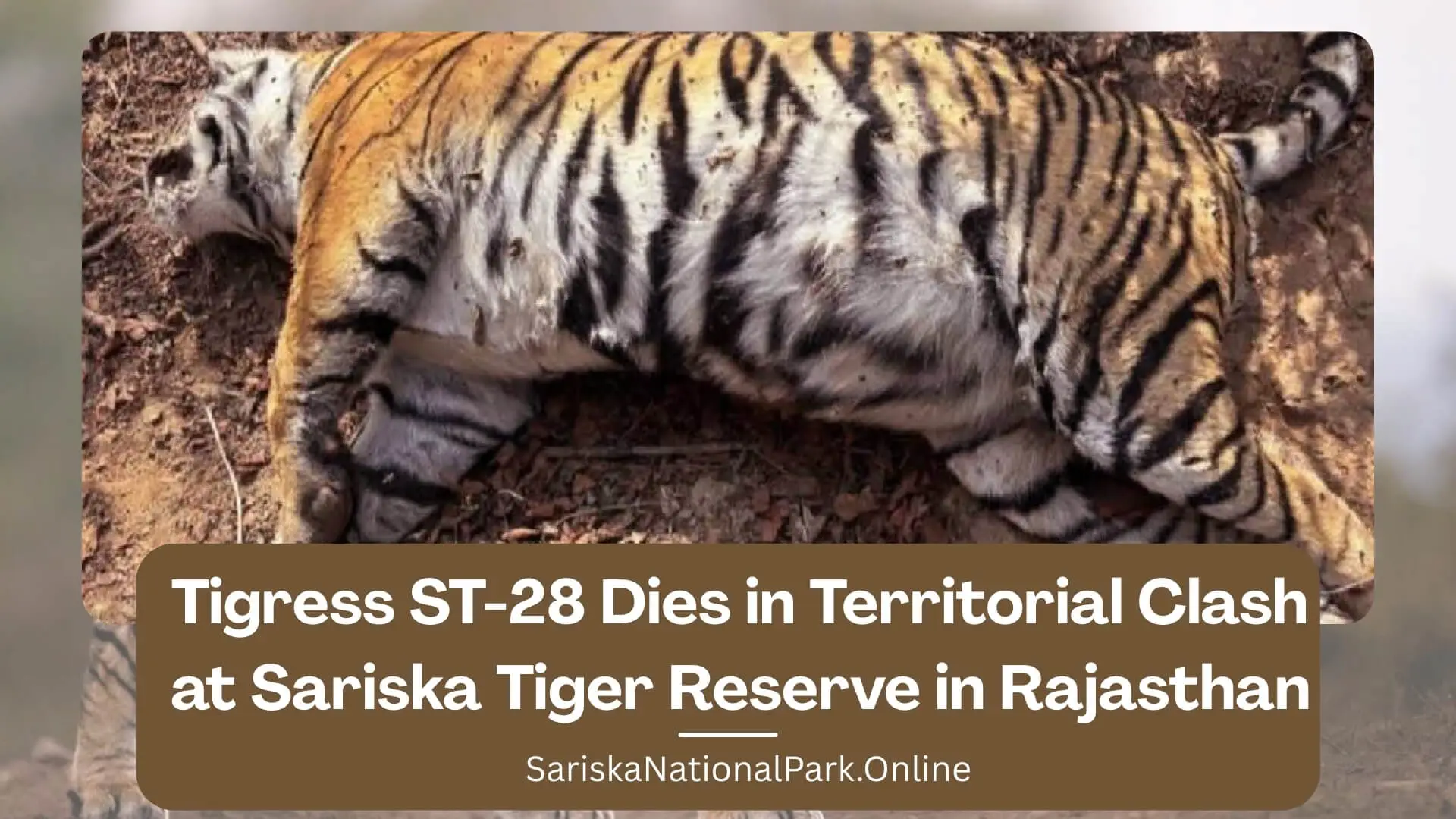
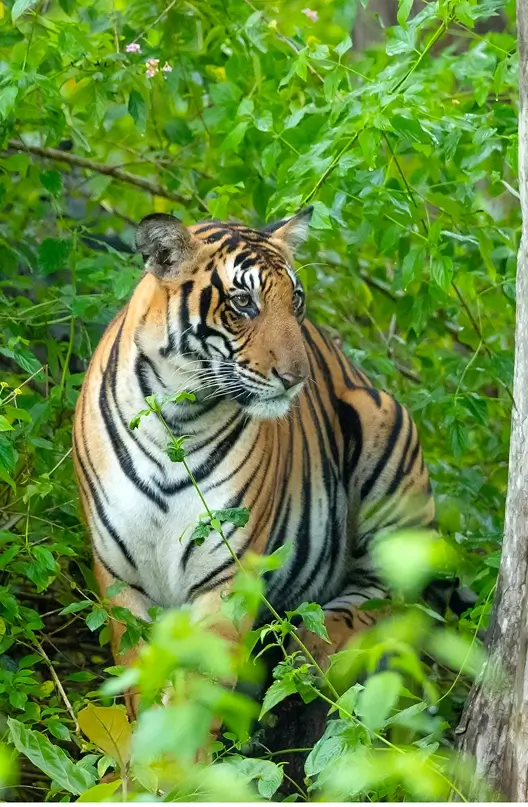
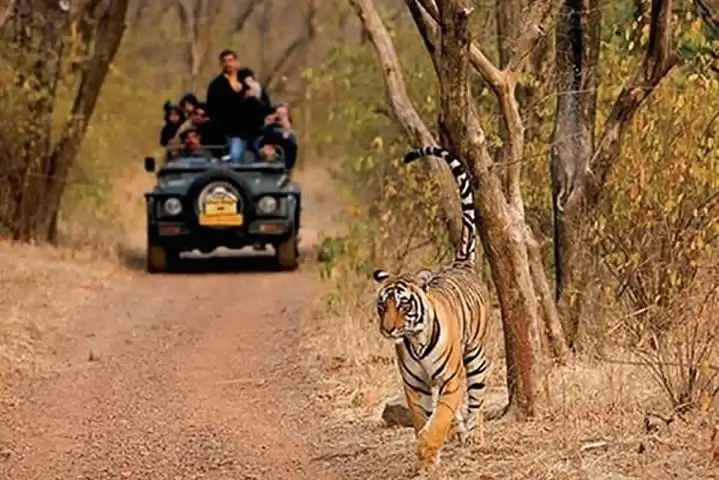
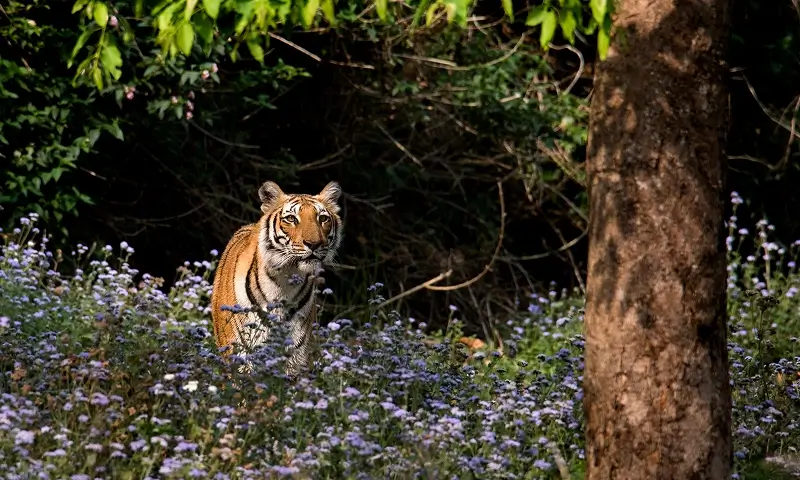
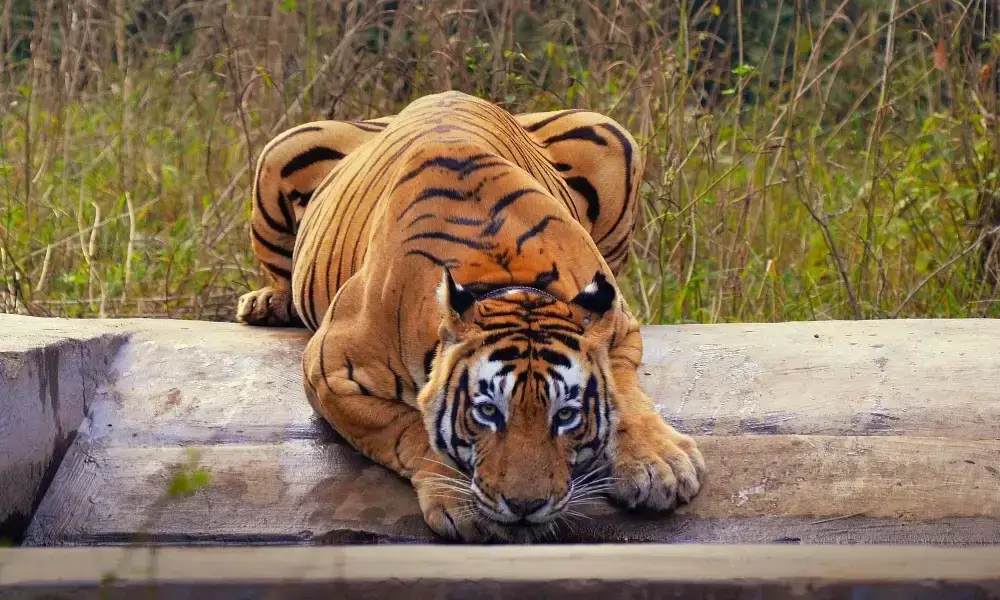
On February 2nd, 2026, a six-year-old tigress, known as Tigress ST-28, was discovered deceased within the Sariska Tiger Reserve. This unfortunate event renewed concern regarding increasing territorial pressure within the reserve. The body was discovered during routine forest patrolling in the Dabli Beat of Prithvipura (Naka) section of Akbarpur Range.
The authorities confirmed that the tigress died as a result of her involvement in a territory dispute with other big cats, which left her with eight to nine identifiable injuries that were located mainly on her hindquarters. An autopsy was performed by a three-person veterinary panel and they ruled out the possibility of the tigress having been hunted or foul play. The remaining tiger population in Sariska has declined to 49 tigers of which only 17 are females. This illustrates the gender imbalance in an already fragile ecosystem.
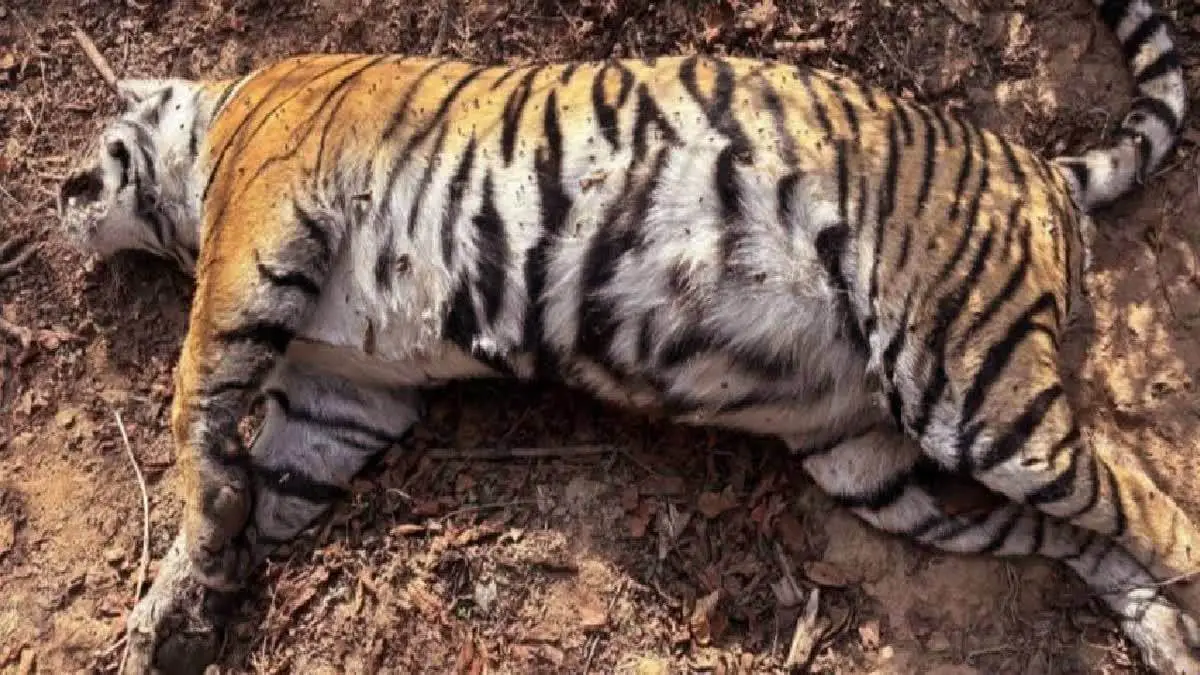
The carcass of Sariska’s Tigeress ST-28 have been found during regular patrols in a forested area located on a hilltop at Akbarpur about 24 hours after she died; this has led officials to conclude that there is considerable overlap in territory among all the female tigers.
Key findings at the scene of the attack:
This is just one of many recent examples of territorial conflict in Sariska due to increasing density of tigers.
Although investigations have determined that foul play was unlikely, officials are monitoring the two nearby tigresses. Some initial assessments indicate that a conflict may have resulted due to:
ST-28 is a descendant of ST-14's lineage. Authority stated that mother–daughter territorial conflicts, while rare, do occur when habitat space becomes limited.
The life history of the tigress known as ST-28 indicates the struggles of young female tigers residing in volatile landscapes with an abundance of other tigers. The tigress was presumed to be between five to six years old, and had just recently begun to disperse farther from her home range.
Some specific details regarding the life of ST-28 include:Her death finely examplfies the vulnerability of dispersing female tigers in constrained landscapes.
There are several reasons to be concerned that Sariska’s ecosystem has lost Tigress ST-28. These include:
Experts warn that losing breeding-age females has a far greater ecological impact than simply looking at overall population statistics.
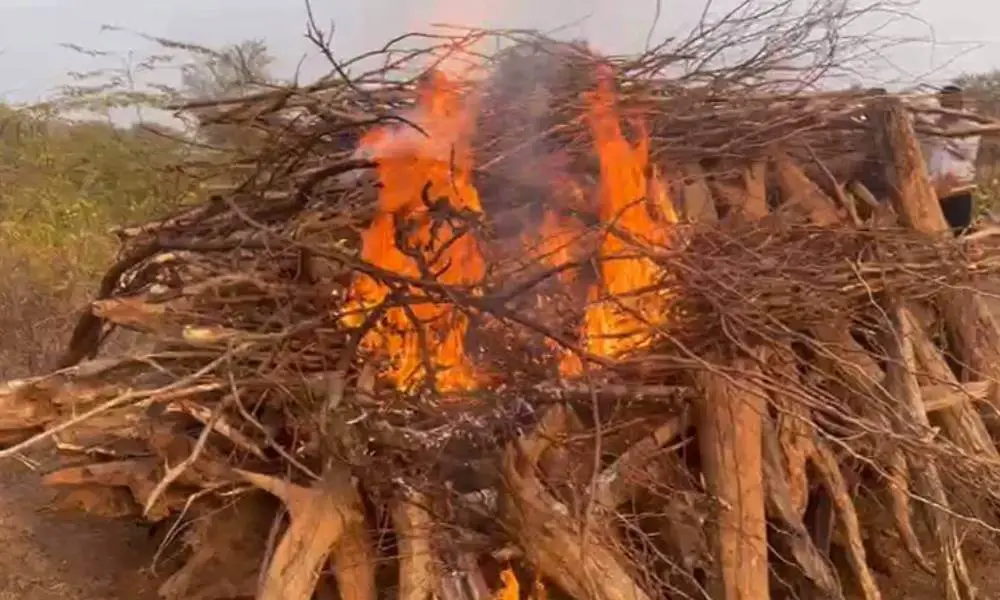
Immediately after the incident was detected, senior officials, team members and the veterinary staff reached the site. After the post-mortem was completed at the Kalakadi forest post, the remains of the animal were cremated the same day.
Confirmation was given by the authorities that:The number of tigers in Sariska National Park dropped from 50 to 49 with the death of Tigress ST-28. Apart from conservationists pointing out that rising birth rates; 22 cubs in two years, have not been matched by habitat expansion. There is no corresponding increase in the number of new habitats or the number of villages that have been relocated out of the core areas.
The death of Sariska's tigress ST-28, exemplifies the fact that conservation must include habitat and territory management. If immediate action is not taken to reduce the impact of these territorial disputes, they may escalate and jeopardize long-term viability of the largest wildlife reserve in Rajasthan.