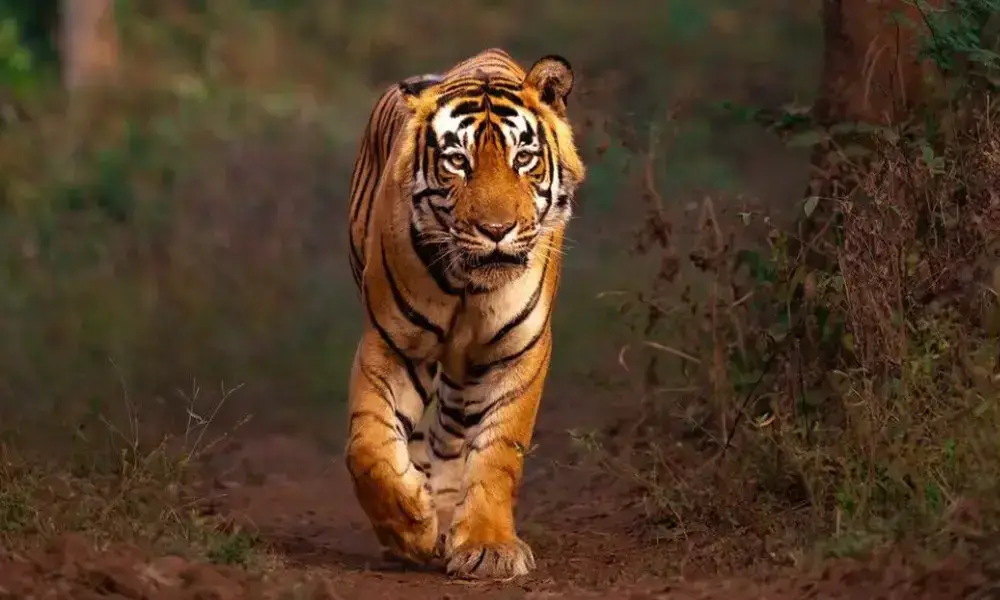
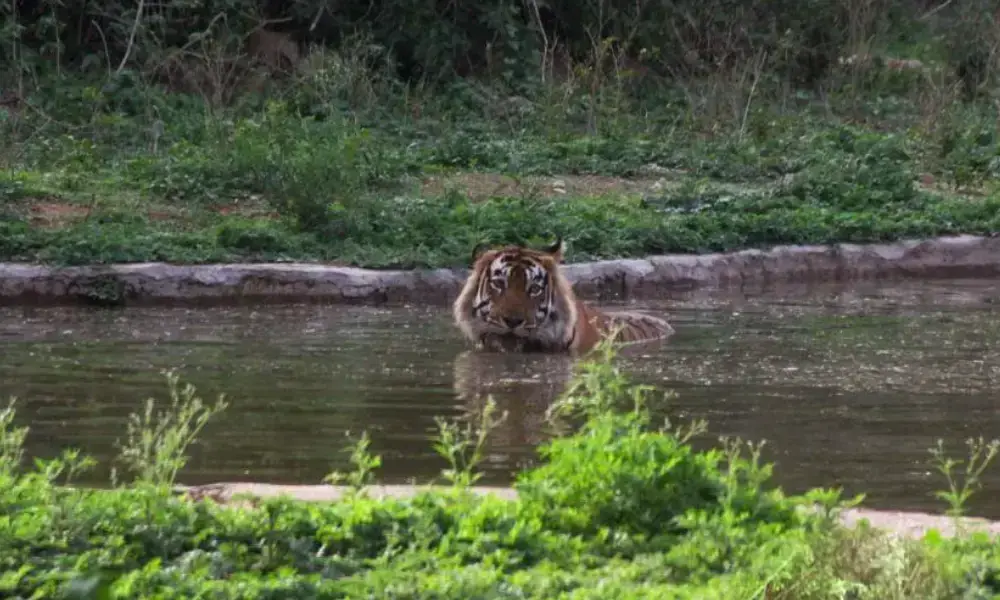
Tigress ST-17 Gives Birth to 3 Cubs in Sariska Tiger Reserve, Tiger Population Crosses 53

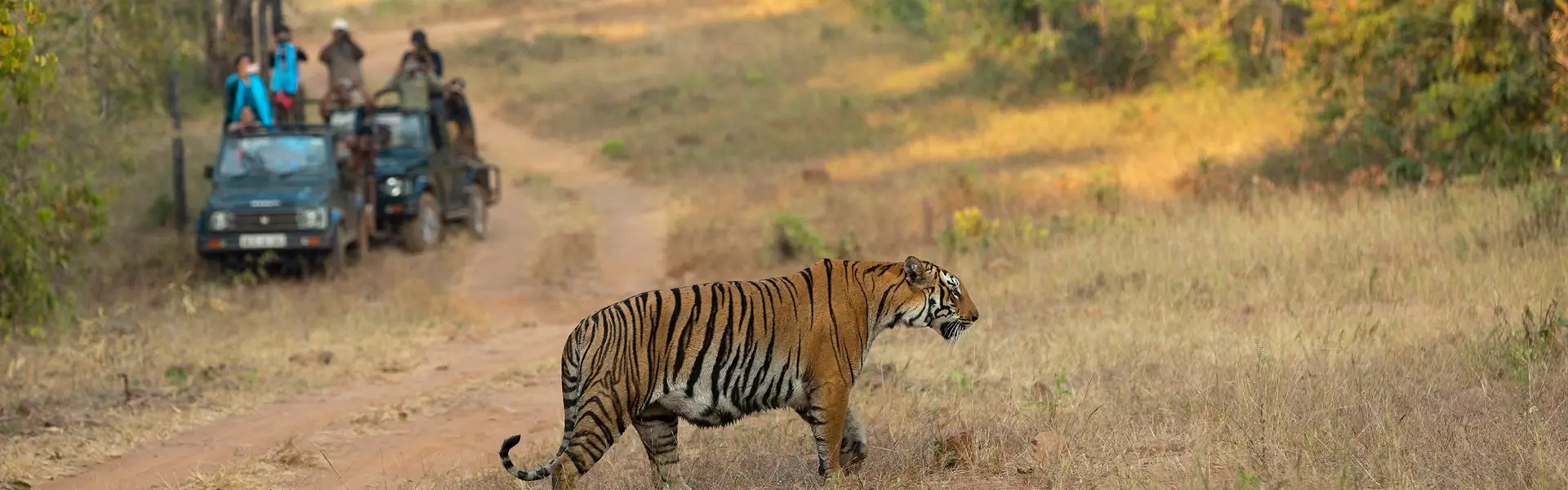
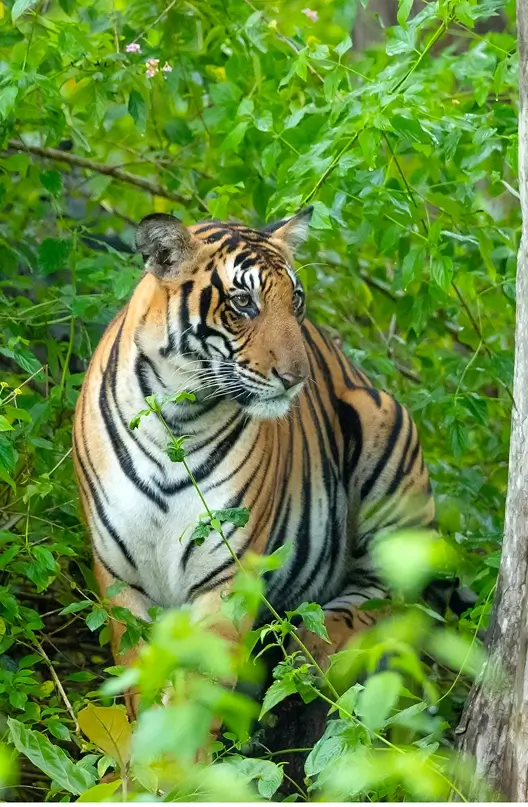
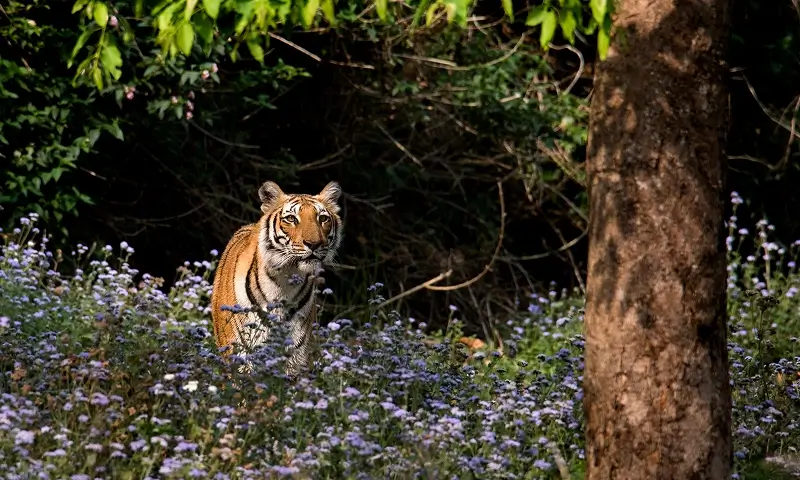
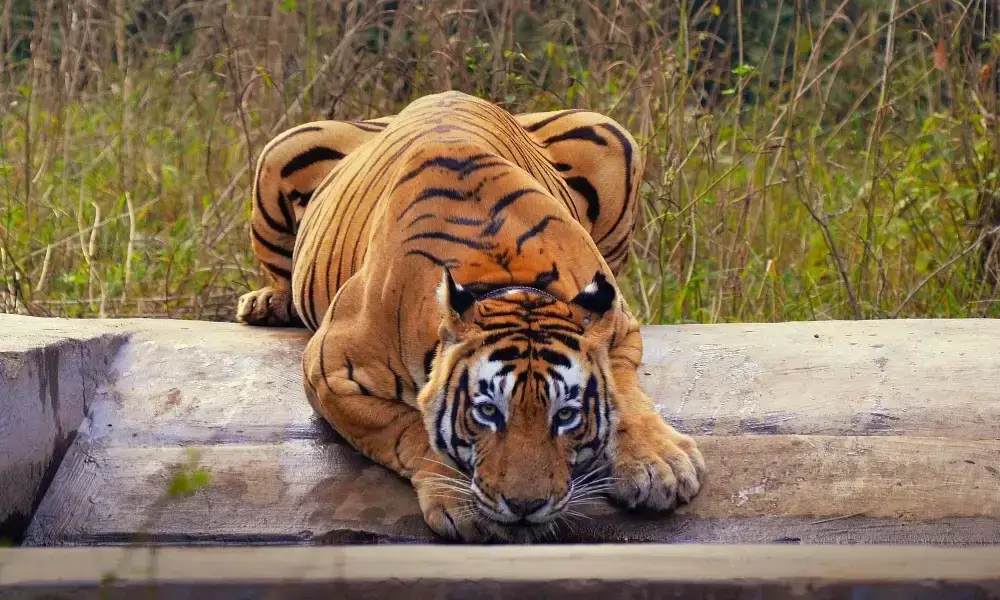
The Sariska Tiger Reserve in Rajasthan has recorded a major conservation milestone after tigress ST-17 gave birth to three cubs in the Akbarpur range of the reserve. This was verified with the aid of camera traps that captured both images and video footage of the tigress walking around the Akbarpur range of the reserve with her cubs. There are approximately 52-53 tigers now in Sariska Tiger Reserve, which is the highest number of tigers in the National Park since the Tiger Reintroduction Program began in 2008. Both the tigress and the cubs are being monitored and appear healthy. The monitoring teams will also continue monitoring how the tigress and her cubs move around within the reserve.
Tigress ST-17 of Sariska Tiger Reserve has given birth to three adorable cubs in the Akabarpur Range, marking another positive step in Rajasthan’s inspiring wildlife conservation journey. https://t.co/dBBDrzdcJ9#SariskaTigerReserve #Rajasthan pic.twitter.com/DQYGx7FtAo
— Tour My India (@TourMyIndiaa) March 13, 2026
Forest officials confirmed that tigress ST-17 has successfully bred twice, contributing to the growth of the tiger population in the Sariska Tiger Reserve. Camera traps in the forest enabled wildlife teams to see both cubs and their mother without disturbing them.
Key details from the reserve:
Monitoring teams have been sent out to ensure that the tigress and her cubs are kept in a healthy, safe environment during this vulnerable early stage of their lives. Forest Minister Sanjay Sharma has described this event as a very significant step towards wildlife conservation in Rajasthan.
“Good news from Sariska Tiger Reserve. Tigress ST-17 is blessed with three newborn cubs in the Akbarpur range. The growing tiger family tells the success story of Rajasthan’s wildlife conservation efforts,” he said.
The growth of the Sariska tiger numbers is often cited as one of India's outstanding successes with wildlife recovery. Tigers in Sariska became locally extinct around 2004–05 due to poaching, leading authorities to declare the reserve tiger-free in 2005.
A comprehensive conservation strategy was implemented.
Important milestones in Sariska's restoration:
The steady rise in numbers has been made possible through several long-term initiatives:
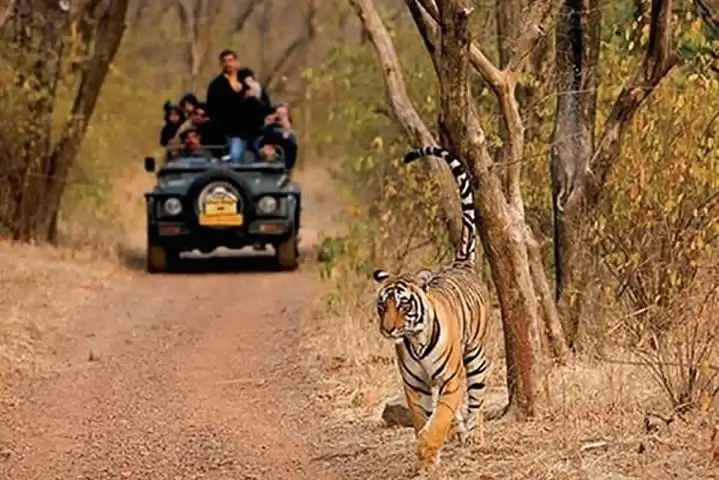
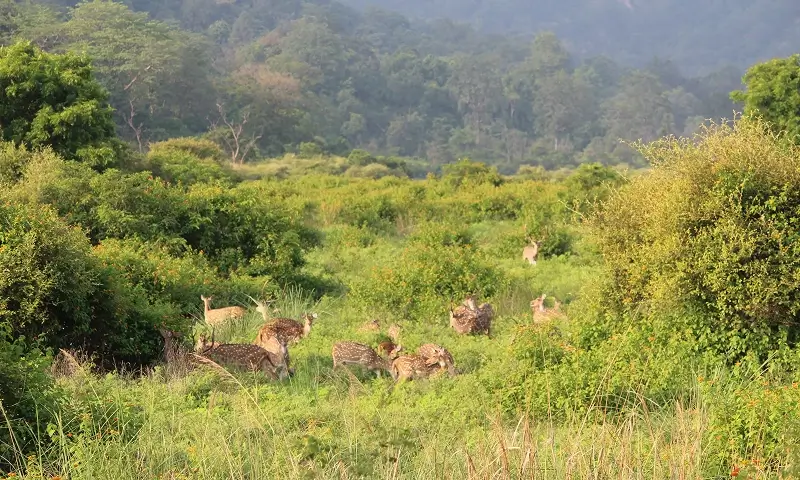
According to analysts, an increase in tiger population may lift the region's ecotourism potential; especially with Sariska Tiger Reserve being one of the tiger habitats nearest to the NCR region.
The birth of three cubs from tigress ST-17 marks another significant step taken towards the successful recovery of Sariska Tiger Reserve, further establishing it as one of the most notable examples of wildlife conservation success in India. The deployment of monitoring teams further reflects the stewardship efforts of forest authorities, whose continued conservation initiatives are helping restore and safeguard the ecosystem of Sariska amid rising tiger numbers.